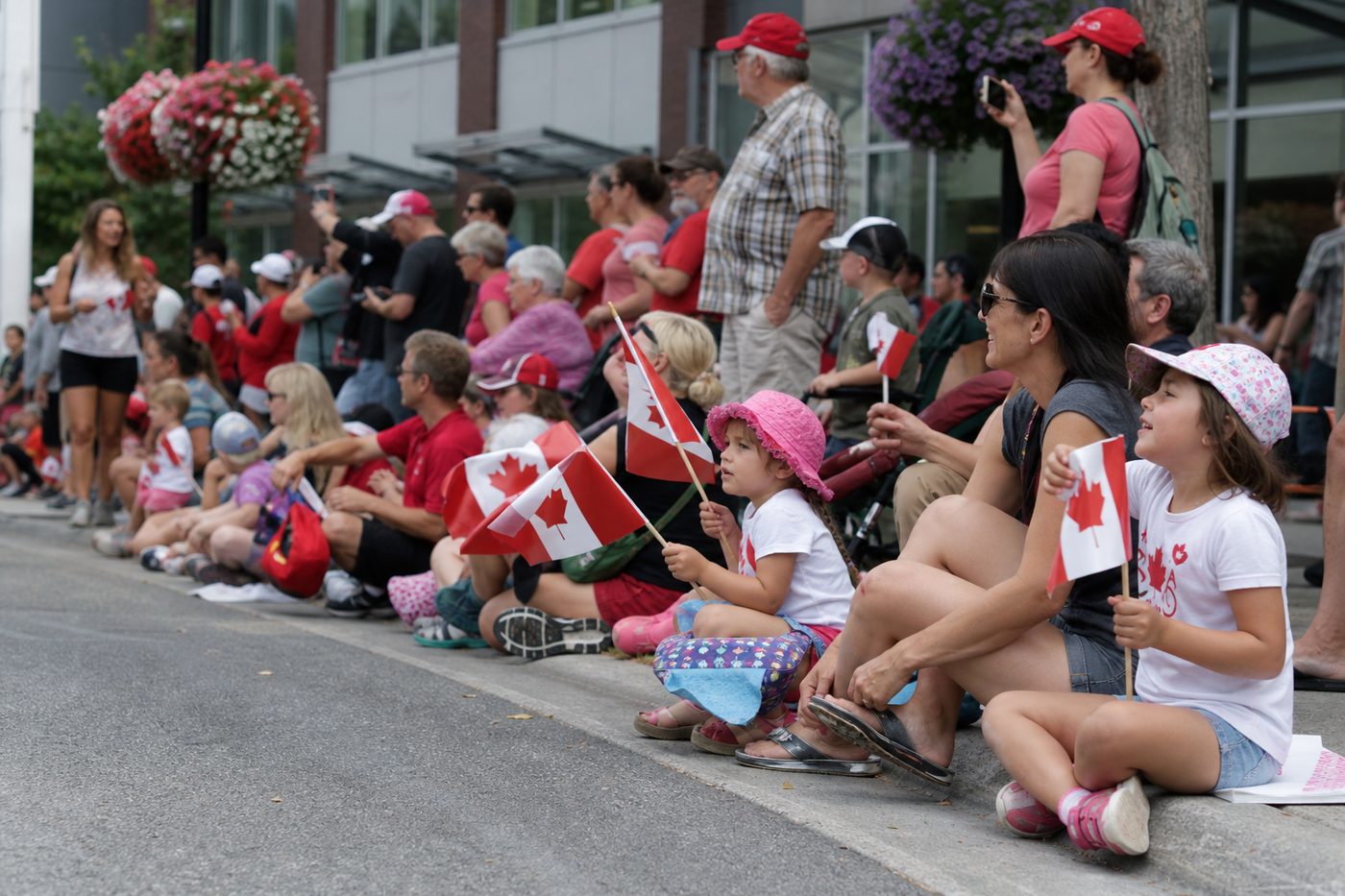
Public celebrations transform Canadian cities into bustling stages of parades, concerts and street festivals. From Canada Day on July 1st to Victoria Day in May, these occasions draw tens of thousands into downtown cores, reshaping transit schedules and closing major streets. For first-time visitors, the crowds and route changes can feel overwhelming. This guide walks you through planning a city day around festivities — when to leave the hotel, which transit lines stay open, where to find a quiet meal, and how to enjoy the energy without exhausting yourself or missing key closures.
Understanding the Major Celebrations
Canada observes several national and provincial holidays that bring large public gatherings. Canada Day on July 1st is the largest, with fireworks, concerts and parades in nearly every city. Victoria Day (the Monday before May 25th) marks the unofficial start of summer and features parades in Toronto, Ottawa and Victoria. Civic holidays in August vary by province — Ontario calls it Simcoe Day, British Columbia celebrates it as BC Day — and many cities host festivals or fireworks. Remembrance Day on November 11th is more solemn, with ceremonies at war memorials and two minutes of silence at 11 a.m. Each event has its own footprint: Canada Day typically closes the largest area, while Remembrance Day affects only a few blocks around cenotaphs. Check your city's official event calendar as soon as you know your travel dates. Most municipalities post detailed closure maps, stage locations and transit adjustments two to three days in advance. Knowing which celebration you'll encounter lets you decide whether to join the crowds or plan a quieter day outside the core.
Mapping Closures and Alternate Routes
Street closures for parades and festivals usually begin between 6 a.m. and 8 a.m. and last until late evening. In cities like Ottawa and Toronto, expect major arteries — Wellington Street, Queen Street, Yonge Street — to be barricaded for the entire day. Smaller cities close their main downtown strip and a few cross streets. Look for the official road closure map on the city website or the event organizer's page. Print or screenshot the map before you leave the hotel, as cell networks can become congested near large crowds. Identify two or three alternate walking routes that bypass the core if you need to move between neighborhoods. Many celebrations create pedestrian-only zones that are easy to walk through but impossible to drive or cycle across. If you're planning to visit a museum, restaurant or shop on the far side of the event zone, add 20 to 30 minutes to your usual travel time. Ride-hailing apps often suspend service or charge surge pricing in closed areas, so budget extra for a taxi or plan to walk. Knowing the closure boundaries helps you move freely without backtracking or getting stuck in a bottleneck.
Transit Adjustments and Timing
Public transit agencies extend service hours and add extra trains or buses on major celebration days, but routes near event zones often detour or skip stops. Subway and light rail lines usually run normally, though stations closest to parades can become uncomfortably crowded between 10 a.m. and 2 p.m. Bus routes that cross closed streets are rerouted, sometimes adding 10 to 15 minutes to the trip. Check the transit authority website the morning of the event for real-time alerts and detour maps. If you're traveling from the hotel to a parade route, aim to board transit by 9 a.m. to secure a seat and avoid the midday crush. After fireworks — typically between 10 p.m. and 11 p.m. — expect long queues at subway entrances and packed platforms. Some visitors prefer to walk 15 to 20 minutes away from the event site before boarding transit, which thins the crowd significantly. Keep a transit card or contactless payment ready; ticket machines near event zones often have long lines. Building in buffer time and checking live updates keeps you moving smoothly even when thousands of others are doing the same.
Finding Food and Washrooms
Restaurants within two or three blocks of a parade route fill up fast, and many stop taking walk-ins by noon. If you want a sit-down lunch near the action, book a table online the night before or arrive by 11 a.m. Casual spots — sandwich shops, pizza counters, food courts — develop queues that can stretch 20 to 30 minutes during peak hours. An alternative is to walk 10 to 15 minutes beyond the event perimeter, where restaurants operate normally and waits are shorter. Street vendors selling hot dogs, poutine, ice cream and drinks cluster along parade routes, but expect lineups and limited seating. Bring snacks and a refillable water bottle if you plan to stay in one spot for hours. Public washrooms near event zones are often portable units with long waits; shopping malls, libraries and transit stations a few blocks away offer cleaner facilities with shorter lines. Some museums and cultural centers open their washrooms to the public on celebration days. Plan your meal and washroom stops as part of your route, and you'll spend less time in queues and more time enjoying the festivities.
Enjoying the Atmosphere Without Overwhelm
Large crowds and noise can be tiring, especially if you're not used to festival environments. Set a realistic schedule: pick one or two highlights — the parade, a concert, the fireworks — rather than trying to see everything. Arrive early to claim a shaded spot with a clear view, then settle in with a book, snacks and water. Folding camp chairs or portable cushions make long waits more comfortable and are easy to carry. Wear layers, as temperatures can swing from cool morning to hot afternoon, and bring sunscreen and a hat if the forecast is sunny. If the crowd feels too dense, step into a side street or park for a few minutes to reset. Many celebrations include quieter zones with craft markets, children's activities or seated performances that offer a break from the main throngs. Noise-canceling headphones or earplugs help if you're sensitive to sound, and they don't diminish the visual spectacle. Leave before the final fireworks if you want to avoid the post-event crush; you can often see the display from a quieter vantage point a few blocks away. Pacing yourself and knowing your limits turns a potentially exhausting day into a memorable experience.
In short
Public celebrations in Canada are vibrant, welcoming events that showcase local pride and community spirit. With a bit of advance planning — checking closure maps, timing your transit, booking meals early and pacing your energy — you can navigate the crowds comfortably and enjoy the highlights without stress. Treat the day as a flexible adventure rather than a rigid itinerary, and don't hesitate to step away when you need a quieter moment. The atmosphere is friendly, the energy is infectious, and a little preparation ensures you make the most of it.
Event schedules, street closures and transit adjustments change each year. Confirm details on official city and transit authority websites a few days before your visit. Sources