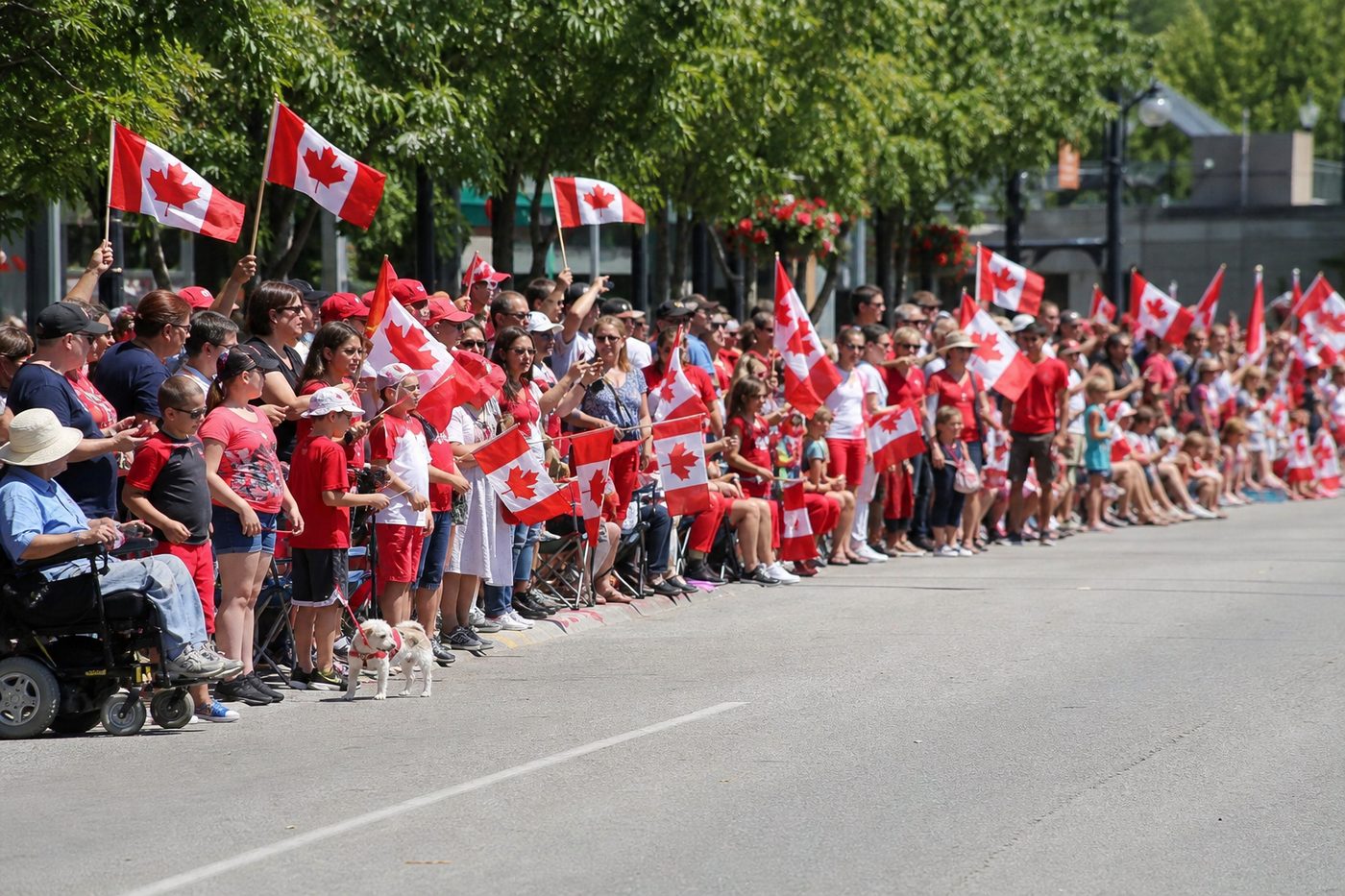
Canadian cities transform during public celebrations — from Canada Day on July 1st to provincial holidays, cultural festivals and spontaneous street parties. Roads close, transit reroutes, restaurants book solid, and crowds gather in unexpected places. Whether you are visiting during a long weekend or stumble into a neighbourhood festival, a bit of advance planning turns potential frustration into memorable experiences. This guide covers what to expect, how to move around closures, where to find food when everywhere seems full, and how to enjoy the energy without losing half your day to logistics.
In this feature
- Check city websites and transit apps the night before — closure maps and detour routes appear 12-24 hours ahead.
- Book dinner reservations 2-3 days early during major holidays; food trucks and markets near event zones stay open longer than sit-down spots.
- Plan double the usual travel time and carry a portable phone charger — rideshare surge pricing often makes walking faster anyway.
- Quieter experiences happen in residential neighbourhoods away from downtown cores, especially mid-morning before main events start.
Which celebrations cause the biggest disruptions
Canada Day (July 1st) creates the widest impact, with downtown cores in every major city closing roads from mid-morning through late evening. Provincial holidays like Civic Holiday (first Monday in August, though names vary by province) and Victoria Day (Monday before May 25th) bring fireworks and waterfront closures. Caribana in Toronto, Calgary Stampede, Montreal Jazz Festival and Vancouver Pride each lock down multiple blocks for days or weeks. Smaller neighbourhood festivals — Greek, Italian, Portuguese, Caribbean street parties — pop up May through September, often with just 48 hours notice. Winter celebrations like New Year's Eve and some Winterlude events in Ottawa also mean road closures but generally smaller crowds. The pattern: summer weekends and statutory Mondays are when you will encounter the most rerouting. Check your hotel front desk or city event calendars when you arrive, as hyperlocal festivals rarely make national news but absolutely affect getting around specific neighbourhoods.
- Canada Day: nationwide, expect downtown closures 10am-11pm
- Provincial long weekends: civic holiday first Monday August, Victoria Day late May
- Major festivals: multi-day, multi-block closures with advance notice
- Neighbourhood street parties: shorter notice, localized impact, check community boards
Getting around when streets close
Transit agencies post detour maps online and in-app, but service frequency often drops because buses reroute and trains skip stations near event zones. Walking usually beats waiting for a rerouted bus — most Canadian city centres span 2-3 kilometres, manageable in 30-40 minutes. Rideshare and taxi prices surge dramatically, sometimes triple normal rates, and pickup zones move blocks away from closures. If you must use a car, parking apps show real-time availability but expect garages within 500 metres of events to fill by mid-morning. Bikes and scooters work well if your destination is outside the closure perimeter, but docking stations inside event zones often reach capacity early. The best strategy: leave your accommodation earlier than you think necessary, carry a screenshot of the closure map (cell networks get congested), and have a backup route. Hotel staff can mark paper maps with current closures and suggest side streets. Many visitors waste an hour trying to get one block closer when walking five blocks around the closure would have been faster.
- Download transit detour maps before leaving your hotel
- Budget 20-35 extra minutes for any trip crossing event zones
- Rideshare surge pricing makes walking or transit more economical
- Parking garages 4-5 blocks from events fill slower and cost less
Finding food when restaurants are packed
Restaurants within three blocks of major events book solid days in advance, but food trucks, market stalls and pop-up vendors cluster near celebration zones and rarely require reservations. Arrive at sit-down restaurants before 11:30am for lunch or before 5pm for dinner to avoid peak waits. Many hotel restaurants and cafes in business districts a few blocks from events stay quieter because locals assume everywhere is full. Grocery stores, delis and bakeries remain open normal hours and offer faster options than waiting 90 minutes for a table. If you have dietary restrictions, pack snacks — food trucks offer variety but gluten-free, vegan or allergy-friendly choices can be limited. Some neighbourhoods outside the main event zone host their own smaller gatherings with less crowded patios and shorter waits. Ask hotel staff which nearby spots take walk-ins even during busy celebrations. Late-night options near events tend to have shorter lines after 9pm when families with children leave. Carrying a refillable water bottle saves time and money, as hydration stations are common but bottled water prices spike near events.
- Book restaurant reservations 2-3 days ahead for holiday weekends
- Food trucks near events open 11am-10pm, expect 10-20 minute waits
- Hotel and business district restaurants often quieter than tourist zones
- Pack snacks if you have dietary restrictions — vendor options vary
Timing your day to avoid the worst crowds
Peak crowding happens 1-3 hours before headline events — fireworks, parades, concerts. If fireworks start at 10pm, expect the thickest crowds from 7-9pm. Mornings before 11am offer the calmest window for exploring event areas, taking photos and grabbing breakfast without lines. Many celebrations include activities throughout the day, so arriving mid-morning lets you experience the atmosphere without the crush. Parades typically run late morning to early afternoon; stake out a viewing spot 30-45 minutes before start time. After the main event ends, crowds disperse over 45-90 minutes — waiting an extra 20 minutes before heading to transit can halve your travel time. Some visitors prefer watching fireworks from hotel rooftops, nearby parks or waterfront spots away from official viewing areas, trading proximity for comfort. If your goal is people-watching rather than front-row access, side streets adjacent to main routes offer the energy without the density. Weekday celebrations (like Canada Day on a Tuesday) draw smaller crowds than when holidays fall on Fridays or Mondays creating long weekends.
- Arrive before 11am to explore event zones without crowds
- Stake out parade or concert spots 30-45 minutes early
- Wait 20-30 minutes after events end before heading to transit
- Alternative viewing spots trade proximity for comfort and space
What to carry and practical tips
Portable phone chargers are essential — you will use maps, check transit updates and possibly wait in one spot for extended periods. Layered clothing adapts to temperature swings; summer evenings cool down, and standing still in crowds feels different than walking. Sunscreen and hats for daytime events, a light jacket for evening. Small backpacks or crossbody bags work better than large purses or shopping bags in dense crowds. Carry ID and your hotel key card, but leave valuables in your room safe. Cash in small bills helps at food trucks and market vendors, though most accept cards. If travelling with others, agree on a meetup spot with specific landmarks (not just a street corner) in case you get separated — cell networks often overload near large events. Public washrooms near major celebrations develop long lines; hotel lobbies, coffee shops and shopping centres a few blocks away offer alternatives. Earplugs can be helpful if you are sensitive to noise but want to experience the atmosphere.
- Portable phone charger and downloaded maps for offline access
- Comfortable shoes, layered clothing, sunscreen and refillable water bottle
- Small bag with essentials only; leave valuables at hotel
- Agree on specific meetup landmarks with travel companions
In short
Canadian public celebrations bring cities to life with energy and community spirit, but they also require flexibility and realistic expectations about timing and logistics. The key is treating celebration days as different from regular sightseeing — plan for longer travel times, simpler meal options and more walking. Check closure maps the night before, leave earlier than usual, and embrace the spontaneous moments that come with being in a city during a festival. With a bit of preparation and patience, you will enjoy the atmosphere without spending your day frustrated by closed streets or missed connections. The front desk can always help with current conditions and suggest quieter alternatives if the crowds feel overwhelming.
Event schedules, road closures and transit detours change yearly and sometimes with short notice. Confirm current details with city websites or your hotel before making plans. Sources